
THE SANUBARI, SUMBA — INDONESIA








East of Bali, beyond the familiar routes of the Indonesian archipelago, the Sandalwood Island unfolds in long sweeps of grassland, uplifted coral limestone hills, tropical savannas and an ocean that arrives with astonishing force. For centuries, Sumba was known beyond its shores for its sandalwood. The trees became so closely associated with the island that Sumba acquired a name that has lingered ever since. Roads pass through villages crowned by tall, peaked roofs, with waterfalls hidden in the interior. Horses move through open country. Buffalo graze in the fields. In the dry season, the landscape turns shades of straw and gold; when the rains return, the hills become intensely green.
The character of the island comes from the relationship between landscape, community and traditions that have endured here for generations. Life remains closely connected to the agricultural calendar, to family and ancestry, and, in many communities, to Marapu—the indigenous belief system of Sumba. Read the article.
The changing quality of the light across the hills. Smoke rising from a village in the morning. The geometry of traditional houses against the sky. The elaborate ikat textiles for which the island is known, carrying patterns whose significance can reach far beyond decoration. The presence of horses, woven deeply into Sumbanese history, ceremony and everyday life.
The island’s Sandalwood horses have moved through its landscapes for generations. Today, they still wander across open grasslands and along empty stretches of beach—a presence that feels inseparable from the island itself.
And then there is the sea.
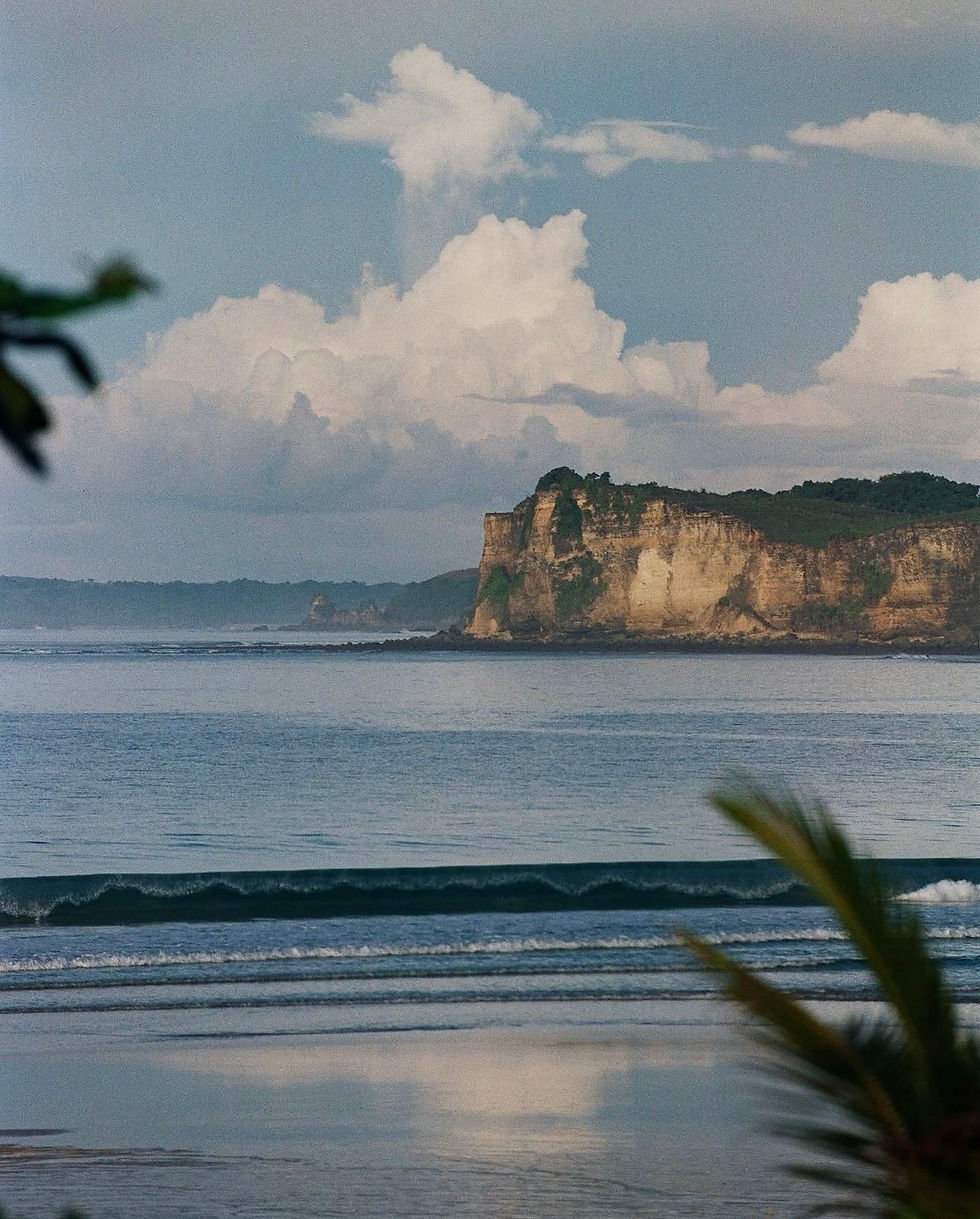
Along Sumba’s southern edge, the Indian Ocean meets the island in long, wild stretches. It arrives in great, uninterrupted swells against beaches where footprints can still feel like an intrusion. At certain hours, the horizon seems to contain nothing but water and sky.
You will find The Sanubari in the south of the island—a landscape of tiny villages, skyscraper palms and rice paddies.
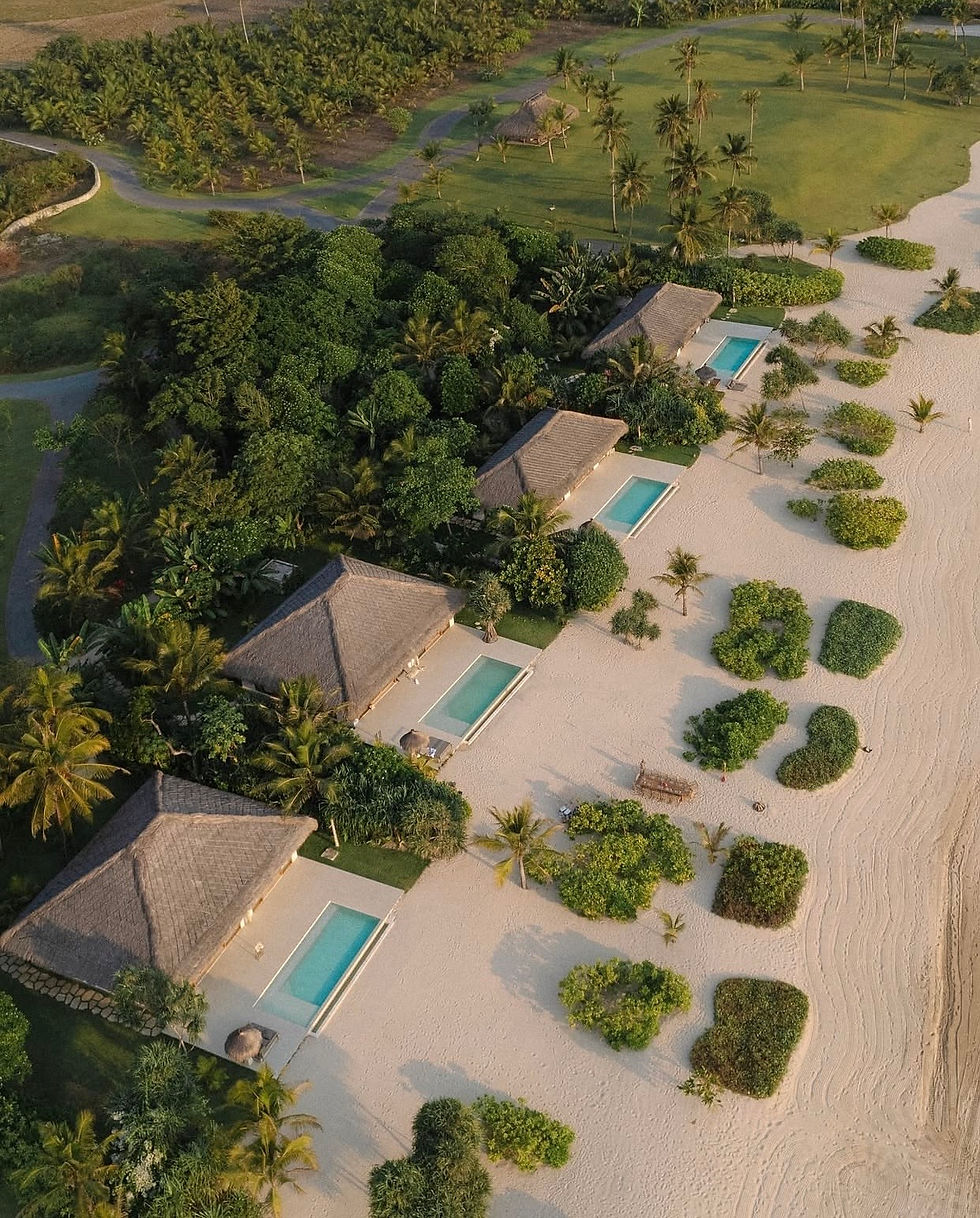
Born from the Indonesian language, the word ‘Sanubari’ translates to ‘heart and soul’. The resort’s design represents an understated luxury found in seclusion, a serene and private haven enveloped by kilometres of pristine white-sand beaches, rolling hills and rice paddies.
In each of the beachfront villas and garden studios, the spirit of Sumba, this far-flung island, lives on in the natural Sumbanese limestone, exquisite handcrafted carvings and ikat weaving. A mirage-like haze where pool meets ocean and ocean meets sky.
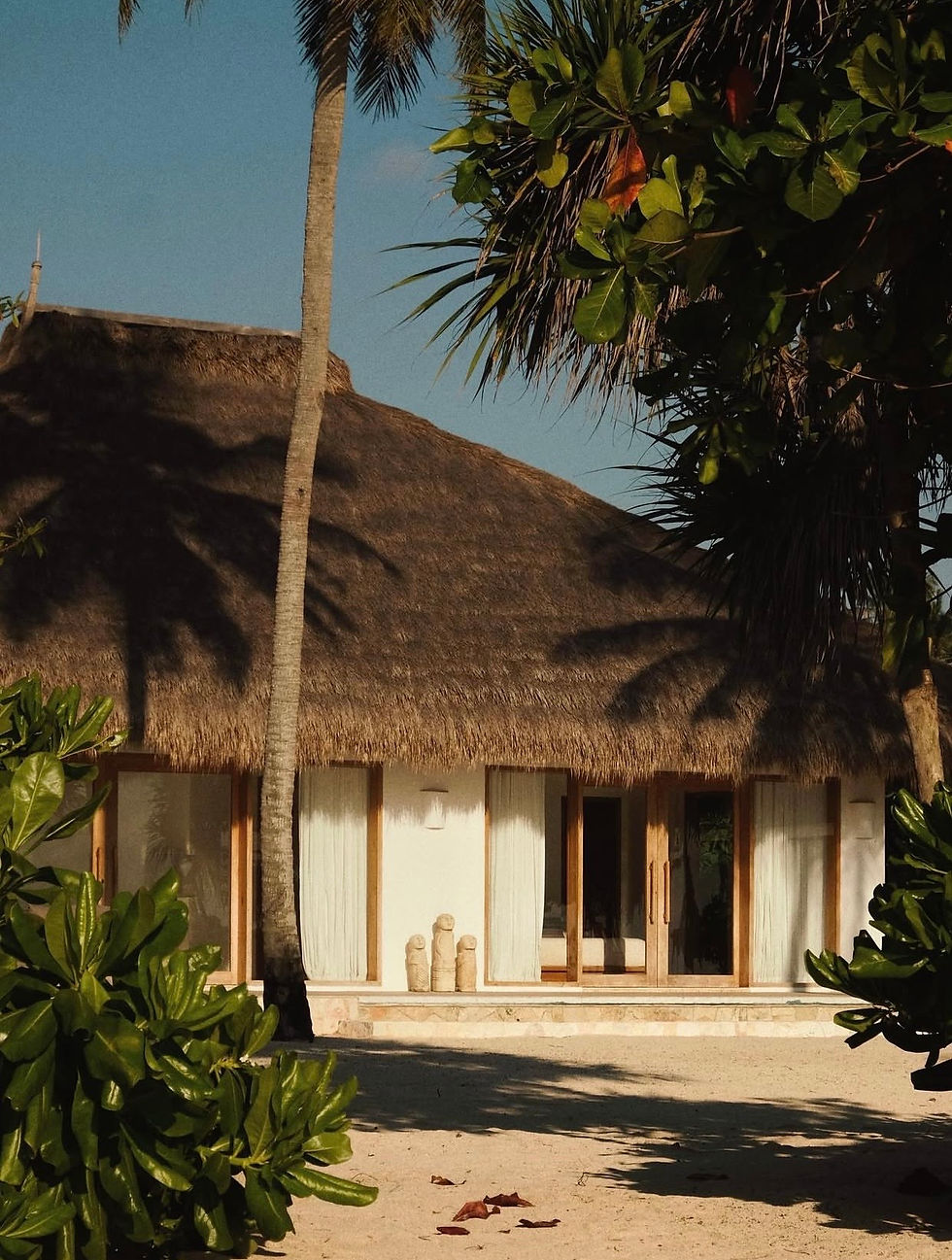
From a jungle-lined path, each villa appears as a white, one-storey manse, topped with a gabled roof made from bamboo and alang-alang grass. Inside, creamy marble floors meet wicker, wood and teak furnishings and ikat tapestries, while buffalo and Sandalwood horses wander freely through the surrounding landscape.
The Sanubari will be home to our very first retreat in Sumba, and we are looking forward to welcoming you there.
THE SUMBA EDIT
Waikelo Sawa
A short walk through rice-paddy terraces leads to this hidden waterfall and natural spring, surrounded by the lush landscape of western Sumba.
Lapopu Waterfall
One of the island’s most beautiful waterfalls, cascading over tiers of rock into a natural pool below—made for a swim after the journey into the interior.
Marosi Beach
A wild stretch of coastline close to Sanubari, where days are spent swimming, surfing and watching Sumba’s Sandalwood horses move along the shore.
Watubella Beach
An uncrowded beach framed by enormous white-rock formations, with small caves tucked beneath the cliffs and the Indian Ocean stretching beyond.
Kerewe Beach
A black-sand beach known for its waves and rugged coastline, just a short journey from Sanubari.
Ratenggaro Village
One of Sumba’s most striking traditional villages, where dramatically peaked ancestral houses rise beside ancient megalithic tombs, just moments from the sea.
Weekuri Lagoon
An extraordinary saltwater lagoon enclosed by coral limestone, where crystalline turquoise water is separated from the Indian Ocean by a natural wall of rock.
Wairinding Hills
Rolling savanna as far as the eye can see—brilliant green after the rains and turning shades of ochre and gold through the dry season.
Walakiri Beach
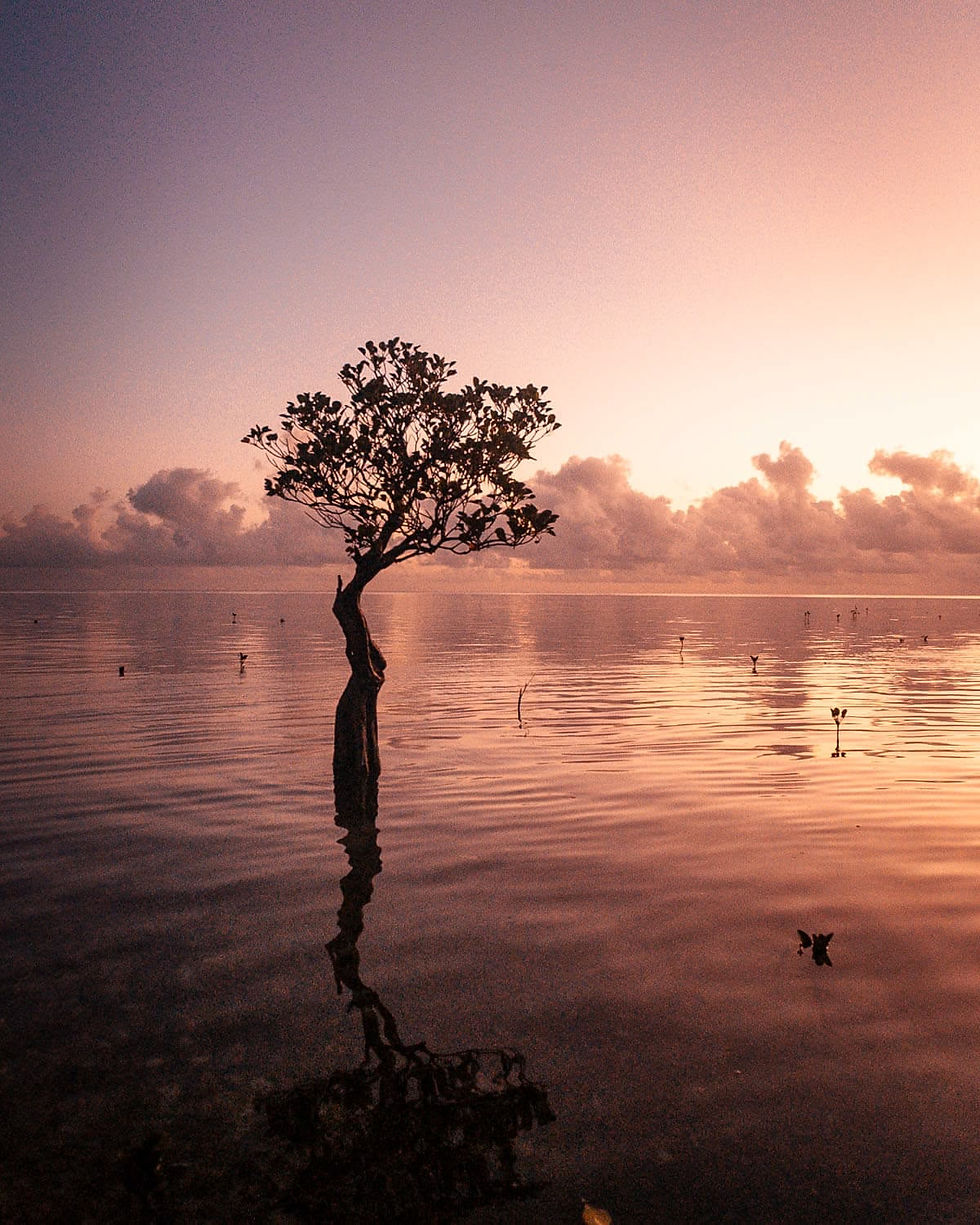
On Sumba’s eastern coast, Walakiri is known for its delicate mangrove trees rising from the shallow water, their silhouettes becoming particularly beautiful at sunset.
Tanggedu Waterfall
Deep in East Sumba, turquoise water winds between sculpted limestone walls and natural pools, creating one of the island’s most dramatic landscapes.
Images The Sanubari. All rights reserved.


Comments